A Long Weekend in Charleston: Where to Stay, Eat and Explore

Charleston is one of those cities that works especially well for a long weekend.
The historic district is compact enough to explore without spending half the trip in a car, but there is still plenty to fill three or four days. You can tour historic homes, spend an afternoon at the beach, eat extremely well, and finish the day with a rooftop drink overlooking the city.
The trick is not trying to cram everything into one visit. Charleston is better when you leave enough room to wander, linger over dinner, and change plans when a courtyard or cocktail bar catches your attention.
Photo courtesy of The Dewberry Charleston.
The Quick Take
Best for: Couples, friends’ trips, milestone celebrations, food-focused weekends and travelers who enjoy history, architecture and walkable cities.
Best time to visit: March through May and October through November generally offer the most comfortable weather. Charleston’s official tourism office specifically recommends March, April, May, October and November for pleasant temperatures and outdoor events.
How long to stay: Three nights is enough for a first visit. Four nights gives you time to add a beach afternoon or explore beyond downtown without rushing.
Getting there: Fly into Charleston International Airport, approximately 12 miles from downtown. Once you are in the historic district, walking and rideshare services can cover most plans. A rental car is useful if you want to visit Middleton Place, Sullivan’s Island or other areas outside the city.
Where to Stay in Charleston

The Dewberry Charleston
The Dewberry is my pick for travelers who like strong design, a central location and a hotel that feels distinctly connected to the city. The property has 153 rooms, suites and residences in a restored mid-century building on Meeting Street.
Its location across from Marion Square makes it easy to explore downtown on foot. The Living Room works for coffee or cocktails, while the eighth-floor Citrus Club offers some of the best rooftop views in Charleston.
This is a particularly good fit for couples, friends’ trips and design-minded travelers who want an energetic hotel without giving up polished service.
Photo courtesy of The Dewberry Charleston.

Citrus Club Rooftop
Photo by Andrew Cebulka, courtesy of The Dewberry Charleston.
The Charleston Place
The Charleston Place is a better match for travelers who want a larger, full-service hotel in the center of everything. Located on Meeting Street, it provides easy access to King Street, Charleston City Market and the surrounding historic district.
The hotel has elegant rooms and suites, restaurants, a cocktail lounge, spa and retail shops. Its range of services makes it a strong choice for families, celebrations and travelers who prefer having more amenities under one roof.
Photo courtesy of The Charleston Place.

Zero George
Zero George is the intimate option. The hotel has just 21 rooms and suites spread across five restored historic buildings surrounding a private courtyard. It feels residential and tucked away, while still being within walking distance of King Street and Waterfront Park.
Complimentary bicycles make it easy to explore nearby neighborhoods. The hotel is also a destination for food-focused travelers, with its restaurant, Caviar Bar and small-group cooking classes.
Choose Zero George for a romantic trip, anniversary or quieter stay where the hotel itself is part of the experience.
Photo by Ashley Relvas, courtesy of Zero George.
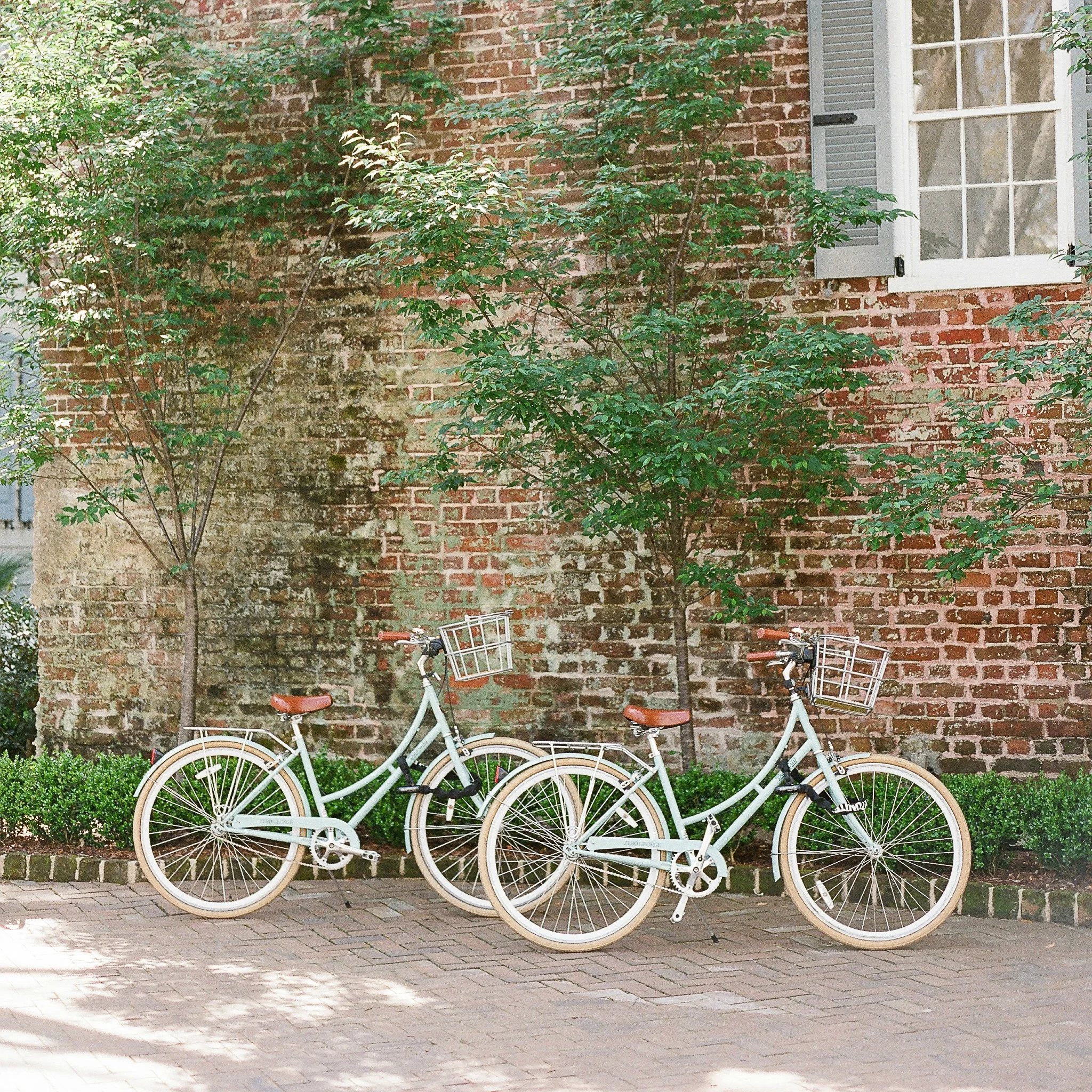
Zero George Bicycles
Photo by Ashley Relvas, courtesy of Zero George.
When eligible hotels are booked through me, your reservation may include benefits such as daily breakfast, hotel credit, a room upgrade, or flexible check-in and checkout. Benefits vary by property, rate and availability, so I confirm the applicable perks before you book.
What to Do in Charleston
Start with a guided walk through the historic district
Charleston has layers of history that are easy to miss when you are simply admiring the buildings. A knowledgeable local guide can provide context about the city’s architecture, maritime history, preservation efforts, slavery and the people whose stories shaped Charleston.
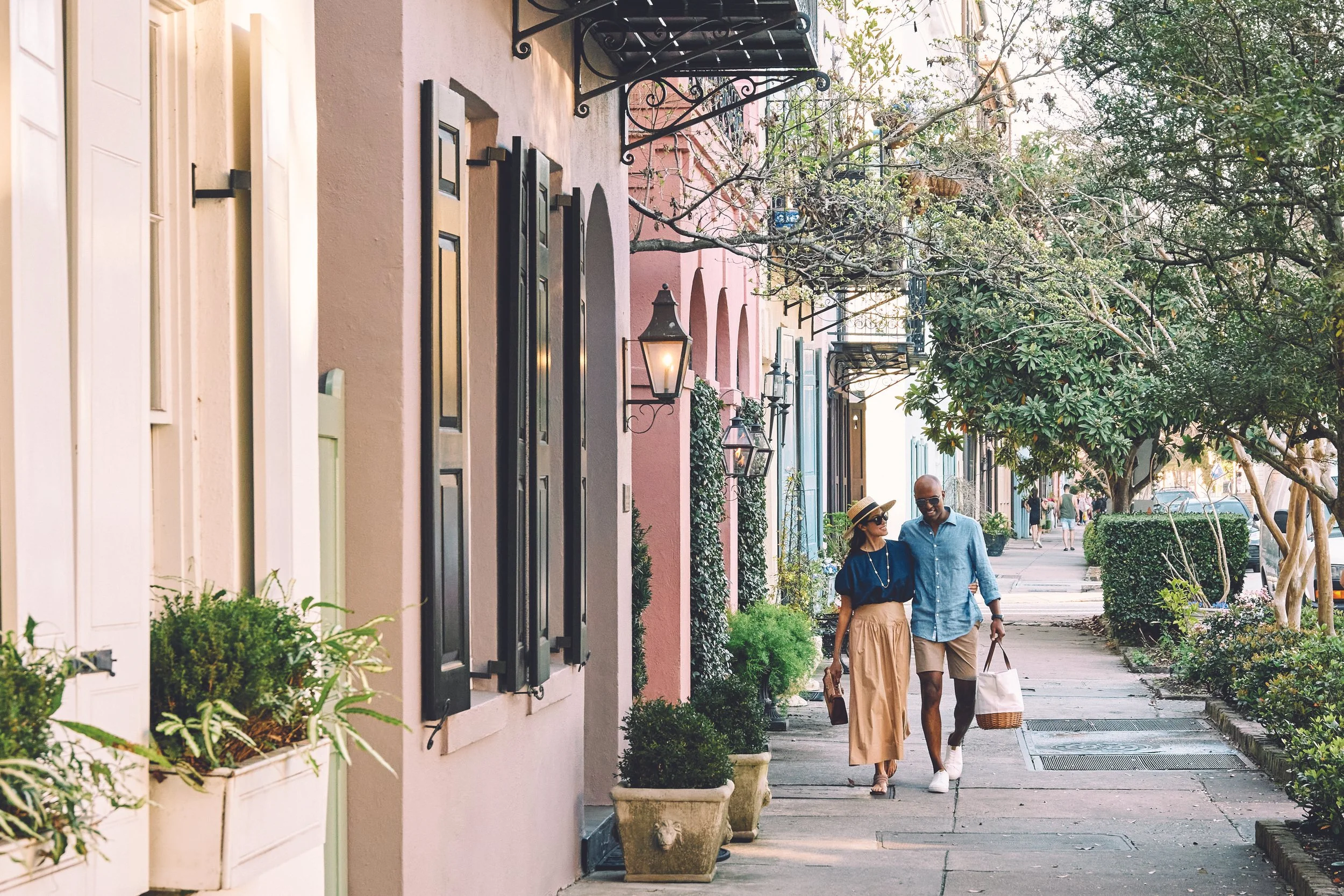
After the tour, continue through South of Broad, walk along The Battery and see the colorful houses of Rainbow Row. These areas are close together and are best explored on foot.
Visit Fort Sumter
Fort Sumter sits in Charleston Harbor and is accessible only by an authorized tour boat. The National Park Service does not charge an entrance fee, but a ferry ticket is required. Purchase tickets in advance, especially during spring and fall.
The ferry ride also provides a different view of the harbor and Charleston skyline. Allow roughly half a day once transportation, boarding and the visit are included.
Spend time at the Gibbes Museum of Art
The Gibbes connects more than 350 years of art with Charleston’s changing history and culture. It is located on Meeting Street, two blocks south of the City Market, making it an easy addition to a downtown day.
This is a good stop when you need a break from the weather or want something beyond historic-house tours.
Visit Middleton Place thoughtfully
Middleton Place combines landscaped gardens, historic buildings and exhibits related to the people who lived and worked on the property. Give yourself enough time to engage with its full history rather than treating it as a quick photo stop.
Because it is outside downtown, this is one of the days when having a rental car or arranged transportation is helpful.
Add a beach afternoon
Sullivan’s Island and Folly Beach offer two very different escapes from downtown. Sullivan’s Island is quieter and works well with a visit to Fort Moultrie. Folly Beach has a livelier beach-town atmosphere with restaurants and surf culture.
If Charleston is your main priority, choose one rather than trying to squeeze both into the same short trip.
Where to Eat and Drink
Charleston’s restaurant scene deserves advance planning. Popular reservations can disappear quickly during weekends, festivals and peak spring or fall dates.
FIG
FIG is a Charleston staple built around seasonal ingredients and a thoughtful approach to Southern cooking. This is one to reserve early rather than hoping for a last-minute table.
Husk
Husk focuses on Southern ingredients and changes its menu based on what is available. The restaurant occupies a restored historic home, so the setting is part of the experience.
Rodney Scott’s BBQ
Go for whole-hog barbecue and a more casual meal. It is a useful counterpoint to Charleston’s many reservation-heavy dining rooms.
The Restaurant at Zero George
This intimate restaurant is a good choice for a special dinner or food-focused celebration. Zero George also offers limited cooking classes followed by a multi-course meal with wine pairings. Classes accommodate only a small number of guests, so book ahead.
Citrus Club
Citrus Club sits on the eighth floor of The Dewberry and claims the city’s highest rooftop lounge. Reserve a table around sunset if possible. The view is the headline, but the cocktails earn their keep.

Photo by Andrew Cebulka, courtesy of The Dewberry Charleston.
A Three-Day Charleston Itinerary
-
Begin with a guided walking tour of the historic district. Continue through South of Broad, Rainbow Row and The Battery, then work your way toward Waterfront Park and the Charleston City Market.
Return to your hotel for a break before dinner. End the night with a rooftop drink at Citrus Club or a cocktail in The Living Room.
-
Take the morning ferry to Fort Sumter. After returning downtown, have lunch and spend the afternoon at the Gibbes Museum of Art or tour one of Charleston’s historic homes.
Make a dinner reservation at FIG, Husk or another restaurant that fits your plans. Charleston is not the place to discover at 7:00 p.m. that every table was booked three weeks ago.
-
For a slower final day, head to Sullivan’s Island or Folly Beach. If you want more history and gardens, visit Middleton Place instead.
Return downtown for one final walk, a little shopping on King Street and dinner. If food is a major part of the trip, consider booking the tasting experience or a cooking class at Zero George.
Good to Know Before You Go
Charleston is highly walkable, but its brick sidewalks and cobblestone streets can be uneven. Comfortable shoes are not optional, regardless of how cute the others looked in your suitcase.
Summers are hot and humid, with afternoon rain and the possibility of tropical weather. Spring and fall are popular for good reason, which means hotel rooms and restaurant reservations should be secured early.
Charleston’s historic sites include difficult and complex histories. Choose guides and institutions that address those histories honestly and respectfully.
For milestone trips or groups, decide early which meals and activities everyone will attend together. Building in independent time keeps the itinerary manageable and gives people room to explore at their own pace.
Thinking About Charleston?
I can help you choose the right hotel, secure available preferred benefits and build a Charleston itinerary around the way you actually want to travel.